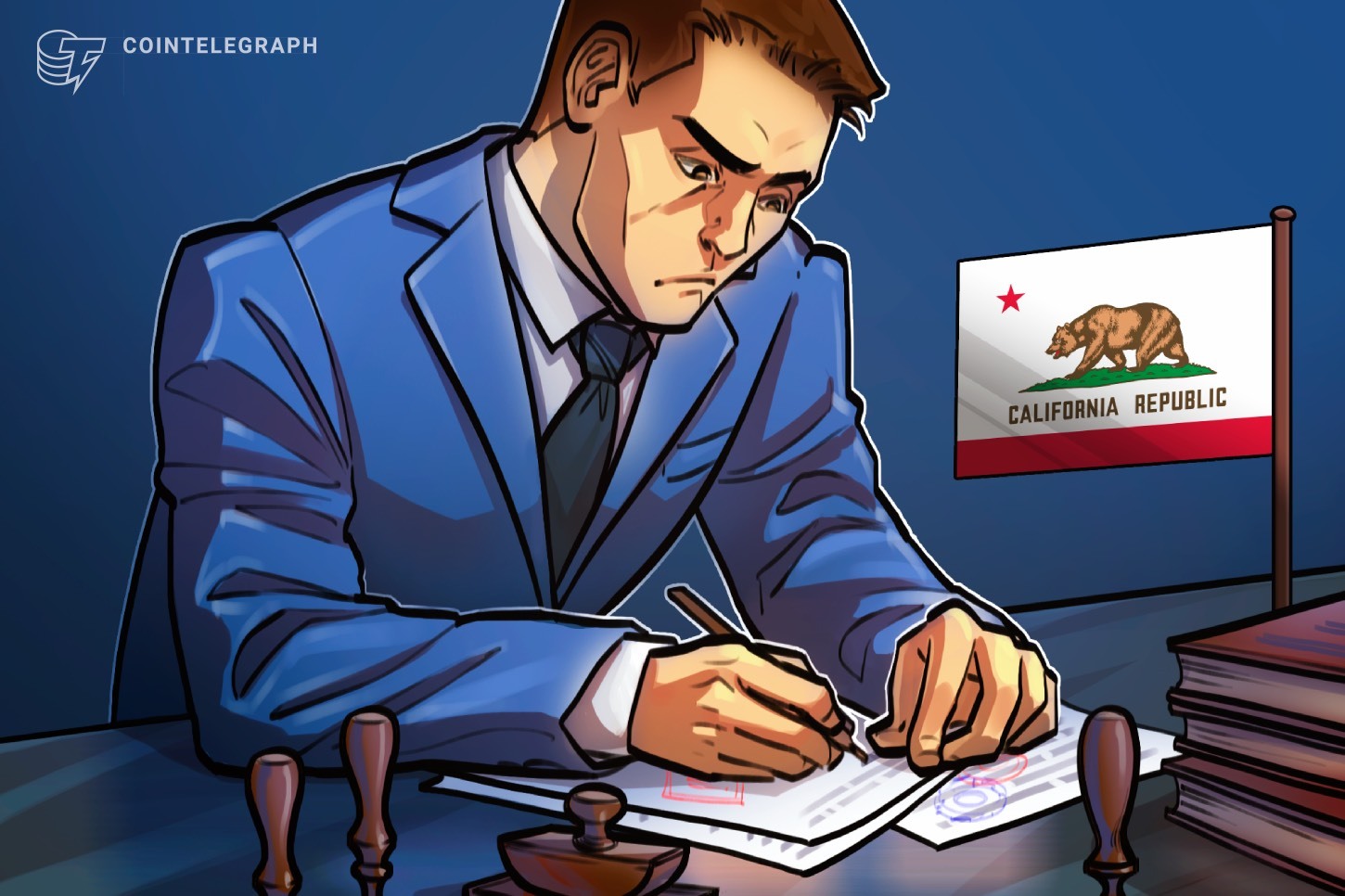
California Governor Gavin Newsom has signed legislation that bans public officials from issuing memecoins, marking the first U.S. state-level law to directly restrict this type of token activity. The ban takes effect January 1, 2027, and applies to all tokens issued on or after that date.
The law targets both direct issuance and indirect promotion. Public officials cannot create memecoins tied to themselves or their positions. Crypto companies face restrictions on offering memecoins associated with California public officials to state residents, effectively blocking distribution channels for these assets within the state.
This legislation addresses a growing problem. Multiple instances of memecoins tied to public figures have surfaced in recent years, often without proper disclosure or regulatory oversight. Some officials launched tokens without informing constituents about the financial incentives involved. Others faced accusations of profiting from their positions through cryptocurrency schemes.
The law reflects broader regulatory anxiety about memecoins. These tokens typically lack inherent utility beyond speculation and social media hype. They carry extreme volatility risk. When tied to public figures, they create obvious conflicts of interest and invite fraud. A public official backing a token can artificially pump its value through their platform, then liquidate holdings while retail buyers absorb losses.
California's approach aligns with existing securities and anti-fraud frameworks but applies them specifically to memecoins. The state views these assets as posing particular risks to residents because of their speculative nature and susceptibility to manipulation by high-profile promoters.
The restriction applies to "tokens" generally tied to public officials, not just those explicitly labeled as memecoins. This broader language captures assets that function similarly to memecoins regardless of their technical classification. Enforcement will fall on California's Department of Financial Protection and Innovation, which already oversees crypto company licensing through the BitLicense framework.
Other states have watched California's regulatory moves closely. New York already requires crypto company licensing. Texas has taken a hands-off approach. This memecoin ban represents California staking out middle ground: targeted restrictions on specific harms rather than wholesale prohibition or complete deregulation.
The January 1, 2027 effective date gives crypto platforms nearly a year to identify and delist affected tokens. Companies offering these assets to California residents currently face compliance decisions. Some will remove tokens tied to public officials from their platforms. Others may implement geographic blocking to prevent California users from accessing them.
This law does not prevent officials from holding cryptocurrency generally or restrict their participation in DeFi protocols. It specifically targets the conflict of interest created when officials issue tokens bearing their names or images.
The precedent matters beyond California. Federal regulators like the SEC and CFTC have shown interest in memecoin enforcement. This state-level action could pressure other jurisdictions to adopt similar restrictions. Federal legislation targeting memecoin issuance by public officials remains possible, though Congress has moved slowly on crypto regulation overall.
Newsom's signature reflects a regulatory trend toward structural limits on obvious conflicts rather than relying solely on case-by-case fraud prosecution. Public officials now face clear legal barriers to memecoin promotion in California, establishing a model other states may follow.