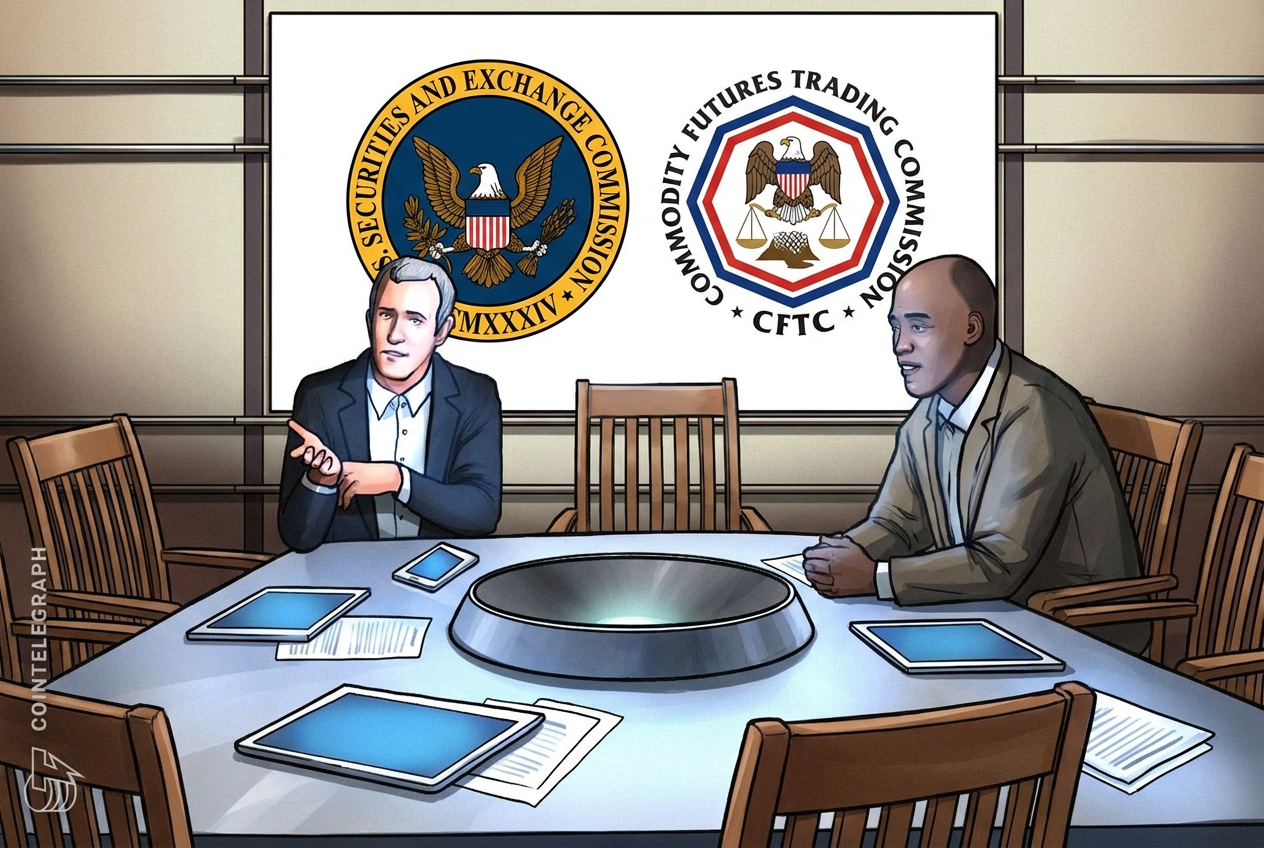
The Securities and Exchange Commission and Commodity Futures Trading Commission will operate at reduced capacity starting Friday following a high-level resignation. Seven commissioner positions across both agencies will sit empty, shrinking the regulatory oversight apparatus for crypto assets down to just three active commissioners.
This staffing collapse arrives at a pivotal moment for digital asset regulation. The crypto market has exploded to a $3 trillion industry, yet the agencies responsible for policing securities fraud, custody standards, derivatives trading, and exchange operations will operate skeleton crews. The timing compounds existing regulatory friction between the SEC and CFTC over jurisdiction of crypto tokens, staking protocols, and decentralized finance structures.
The SEC currently has five seats on its commission. With multiple departures lined up, the agency drops to minimal staffing levels. The CFTC operates with five commissioners as well, and similar vacancies will render both regulators functionally hamstrung. A commissioner-level resignation typically signals either political disagreement with the agency's direction or frustration with broader regulatory gridlock. The specific identity of the departing official matters enormously for crypto policy since it signals which regulatory faction is losing influence.
At minimum viable staffing, the remaining commissioners cannot form coalitions easily. SEC rules require three affirmative votes to pass new guidance or enforcement actions. A three-commissioner body means no buffer for dissent, no room for recusal, and no strategic flexibility. The CFTC faces similar bottlenecks. This creates a regulatory vacuum precisely when stablecoin infrastructure, decentralized exchange regulation, and self-custody custody standards require clear rules.
Congress has repeatedly failed to pass comprehensive crypto legislation. Bills addressing stablecoin issuance standards and exchange registration have languished for years. Regulatory agencies filled this gap by issuing guidance through commissioners voting on rules and enforcement cases. Fewer commissioners means fewer decisions. Pending cryptocurrency enforcement actions could stall. Proposed rules on digital asset market structure may freeze indefinitely.
The market watches SEC and CFTC staffing levels closely because agency leadership determines crypto policy direction. Current SEC leadership has taken an aggressive approach to policing unregistered securities offerings and crypto derivatives trading. Previous commissioners have suggested most tokens function as securities requiring registration. The CFTC has positioned itself as the primary regulator of crypto spot markets and derivatives exchanges. Departures shift the balance between these competing regulatory philosophies.
A weakened regulatory presence creates two competing dynamics. Industry participants may accelerate launches of new products and services in the vacuum, betting understaffed agencies lack bandwidth to enforce compliance. Conversely, regulatory uncertainty makes institutional investors hesitant to deploy capital into emerging crypto sectors until rules clarify.
The vacuum also affects political leverage. Whoever controls commissioner appointments wields outsized influence during periods of low staffing. Empty seats remain empty until nominees pass Senate confirmation, a process that typically takes months or years. The sitting commissioners control the agenda in the interim, potentially rushing through favored rulings before new appointees arrive.
Crypto regulation hinges on commissioner-level decisions. Fewer commissioners means slower rule-making, fewer enforcement actions, and weaker oversight of a $3 trillion asset class. This staffing crunch arrives when market participants desperately need regulatory clarity on custody, staking, and decentralized finance structures.