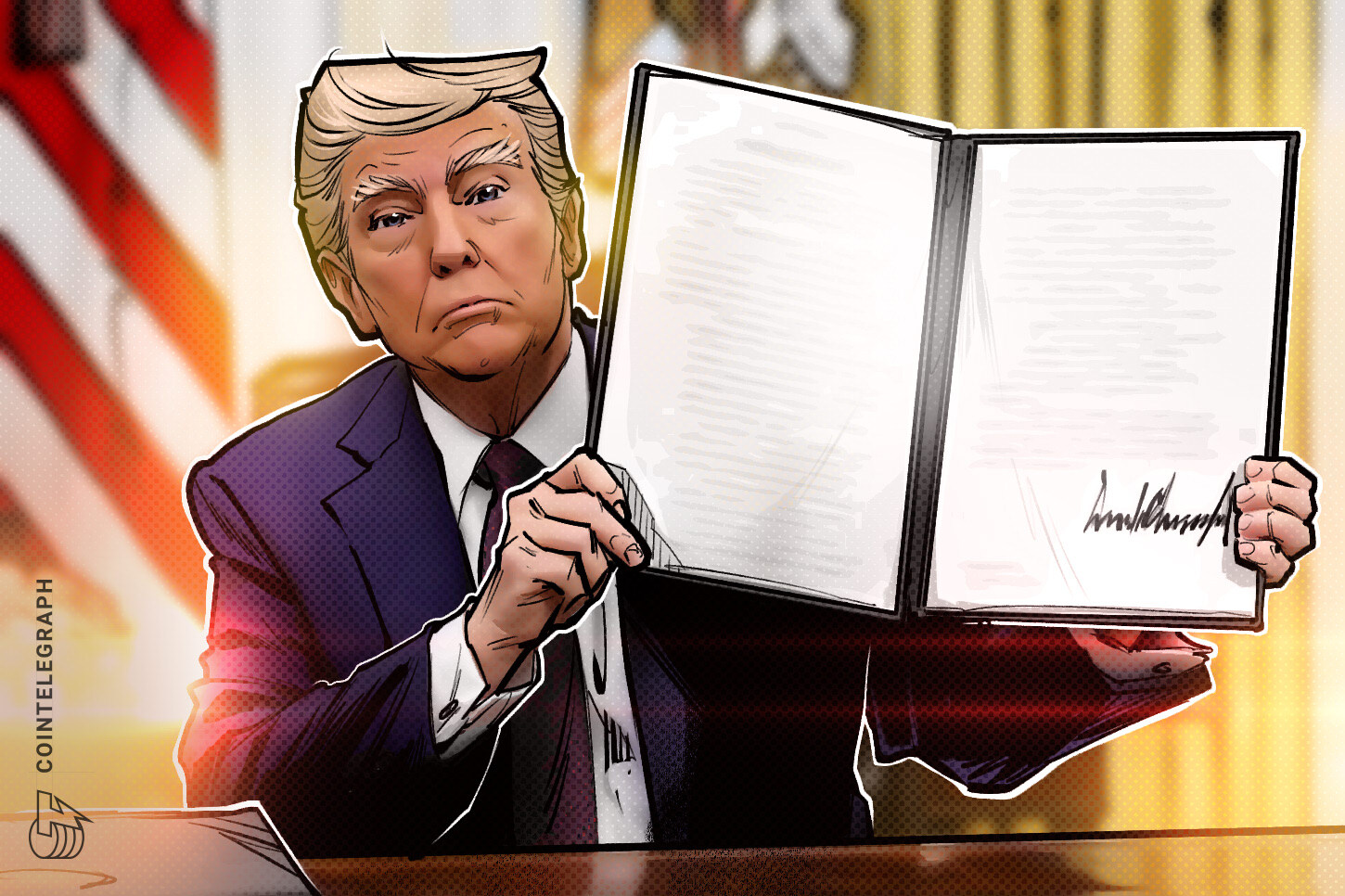
The Trump administration released a voluntary accord requiring major technology firms to self-regulate their development of frontier artificial intelligence systems. The agreement places primary responsibility for managing AI safety risks directly on the developers building these models, rather than establishing government-mandated oversight mechanisms.
The accord represents a light-touch regulatory approach favored by the current administration. Instead of imposing strict compliance requirements or enforcement mechanisms, the framework relies on tech companies to police themselves through internal governance structures and safety protocols. Signatories commit to implementing risk management practices, but enforcement remains largely self-directed.
This voluntary model contrasts sharply with international approaches to frontier AI governance. The European Union, for example, has implemented binding regulatory requirements through its AI Act, which classifies high-risk systems and subjects them to mandatory compliance audits. The Trump accord eschews this prescriptive model in favor of industry self-governance.
The agreement covers major AI developers including OpenAI, Google, Meta, and other leading firms. These companies pledge to conduct safety testing, implement responsible disclosure practices, and maintain transparency around their model capabilities. However, the accord includes no independent verification mechanism and no penalties for non-compliance beyond reputational pressure.
Tech industry observers note the accord aligns with broader Trump administration deregulation priorities. The approach prioritizes innovation velocity over regulatory friction, betting that competitive market dynamics and reputational incentives will drive responsible AI development. Supporters argue this enables faster progress on beneficial applications while avoiding regulatory burdens that could slow American AI competitiveness.
Critics counter that self-regulatory frameworks historically underperform when applied to emerging technologies with significant systemic risks. They point to social media content moderation as a cautionary example, where industry self-policing failed to prevent widespread harms. The absence of third-party auditing and enforcement mechanisms creates accountability gaps.
The accord's scope remains unclear regarding which frontier AI capabilities trigger self-governance obligations. Definitions of "frontier" AI vary widely across industry and policy contexts, potentially allowing companies broad discretion in determining their own compliance obligations.
This development carries implications for crypto and blockchain sectors. Several AI firms have explored tokenized governance models and decentralized AI networks that could integrate with blockchain infrastructure. The regulatory framework shaping frontier AI development influences which technical architectures gain adoption and commercial viability.
The voluntary accord likely influences venture funding patterns and developer priorities across AI-adjacent crypto projects. If self-regulation proves insufficient and calls for stricter oversight intensify, regulatory risk could impact projects combining AI and blockchain technologies.
The administration has signaled its intent to avoid heavy-handed AI regulation, with this accord serving as the primary policy instrument. Market participants should monitor whether this voluntary approach holds or faces pressure toward stricter mandates if AI safety incidents occur or public sentiment shifts toward regulatory intervention.