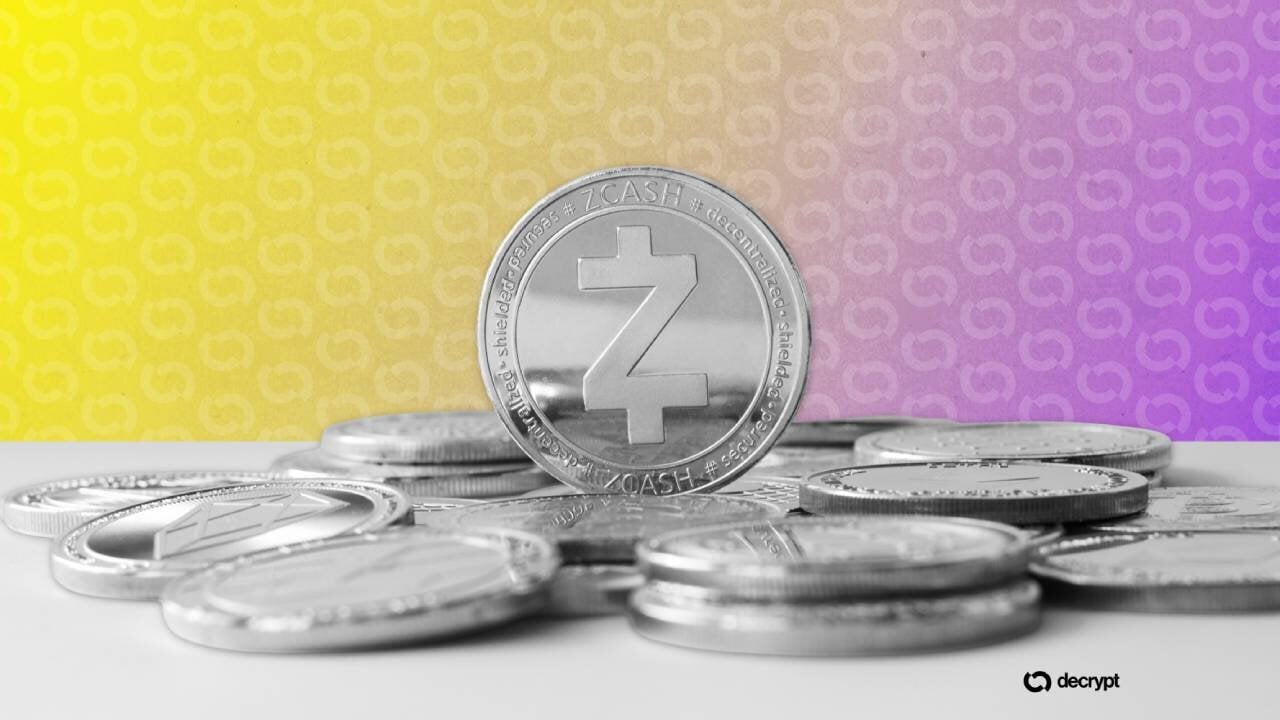
Zcash (ZEC) declined 21% from its recent peak of $1,698, according to reporting from Decrypt. The pullback followed two separate headwinds. Exchange-traded fund outflows reduced institutional demand for the privacy-focused asset. Additionally, suspected North Korean theft activity routed stolen funds through Zcash's shielded pool, raising concerns about the token's use in illicit transactions.
Despite the drop, Decrypt's reporting suggests the rally may not have concluded. The outlet frames the decline as a potential buying opportunity for traders, though it does not provide specific price targets or technical analysis supporting a recovery scenario.
Zcash's shielded pool enables users to conduct transactions with privacy protections. This feature distinguishes ZEC from most other cryptocurrencies but has attracted regulatory scrutiny. The suspected routing of illicit funds through the shielded pool underscores ongoing concerns about privacy coins' role in money laundering and sanctions evasion.
ETF outflows reflected reduced institutional interest at higher price levels. Decrypt does not specify the volume or scale of these outflows or identify which specific ETF products experienced redemptions.
The timing of the decline coincided with heightened geopolitical tensions around North Korea's alleged theft activity, which Decrypt characterizes as "suspected." No additional details about the alleged heist, its size, or the specific path of stolen funds appear in the reporting.
Zcash remains the largest privacy-focused cryptocurrency by market capitalization. Its recent price volatility highlights the tension between legitimate privacy use cases and regulatory concerns about illicit applications. The pullback from $1,698 represents a consolidation phase rather than a fundamental shift in long-term sentiment, according to Decrypt's framing of potential trader interest at lower levels.