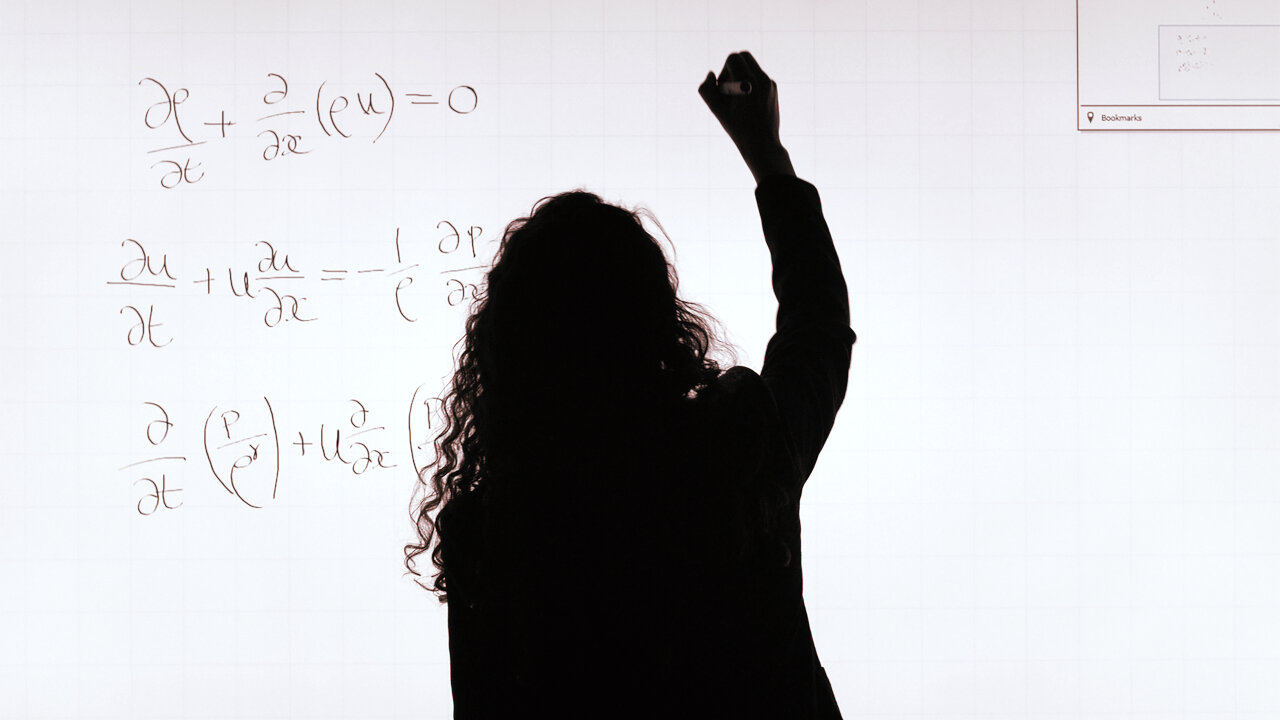
OpenAI released 722 AI-written mathematics manuscripts and claimed most originated from a single prompt, generated by an unreleased model. The company posted the collection on arXiv, a preprint server for scientific papers.
OpenAI stated the unreleased model solved hundreds of open mathematics problems. The company did not name the model or provide release details. OpenAI characterized the mathematical output as evidence of advanced reasoning capabilities in its AI systems.
The mathematical community responded with skepticism. Some mathematicians requested verification of OpenAI's claims. They questioned whether the solutions actually addressed genuinely open problems in mathematics or solved already-known challenges. Mathematicians also sought transparency about the model's training data and methodology.
The 722 manuscripts covered various mathematical domains. OpenAI presented the collection as demonstrating the potential for AI to contribute to mathematical research. The company suggested the work could accelerate problem-solving in academic mathematics.
Critics demanded peer review and independent verification before accepting OpenAI's assertions. Mathematicians noted that simply generating text does not guarantee mathematical accuracy or originality. The community emphasized the importance of rigorous validation in mathematics, where correctness carries absolute weight.
OpenAI did not respond to specific requests for additional documentation at the time of reporting. The manuscripts themselves remain available for examination on arXiv, allowing independent researchers to evaluate the claims.
The release highlights ongoing tension between AI companies announcing capability breakthroughs and the scientific establishment's demand for reproducible evidence. In mathematics, where proofs require absolute certainty, claims of solving open problems demand extraordinary documentation.