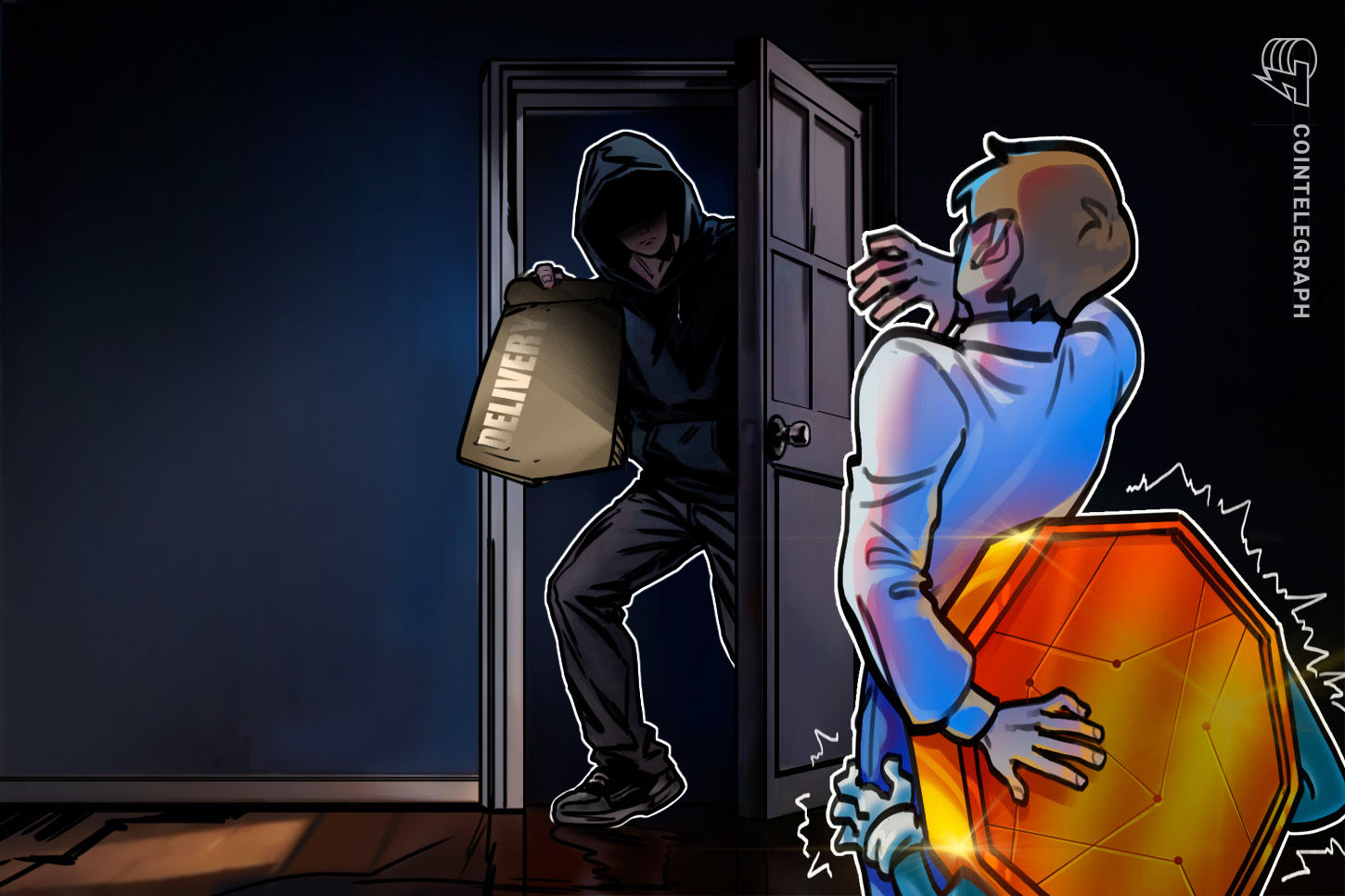
Keystone, the hardware wallet manufacturer, disclosed a website breach that compromised customer shipping addresses and personal information tied to hardware wallet purchases. The breach exposed the personal details of buyers, creating a direct security vulnerability for cryptocurrency holders.
A security researcher flagged the incident and warned that leaked shipping data could enable targeted scams and physical attacks against crypto holders. Attackers with access to customer addresses know exactly where valuable hardware wallets were shipped. This transforms the breach from a data privacy issue into a physical security threat.
Hardware wallet users represent a high-value target for criminals. An attacker with a shipping address can attempt social engineering, home invasion, or physical theft with specific knowledge that the victim holds cryptocurrency. The combination of a hardware wallet shipment record and home address creates a complete attack vector for motivated adversaries.
Keystone's breach highlights a persistent weakness in the hardware wallet supply chain. Manufacturers collect customer addresses during purchase and shipping. While this data collection is operational necessity, it creates a honeypot of targets. When that database leaks, attackers gain a pre-vetted list of cryptocurrency holders sorted by geography and purchase amount.
The exposure raises questions about Keystone's security infrastructure. Hardware wallet companies handle sensitive data about high-net-worth individuals in the crypto space. The expectation is that security controls around customer information match the sensitivity of what those customers protect. A basic website breach suggests Keystone's operational security fell short of industry standards for companies managing crypto user data.
This incident arrives amid ongoing debates about hardware wallet security practices. Ledger faced a similar backlash in 2021 when a data breach exposed customer addresses. The pattern suggests that even established manufacturers in the space struggle with basic database protection. The lesson repeats itself. Customer data retention becomes liability without corresponding investment in defensive infrastructure.
Keystone has not yet publicly disclosed the full scope of the breach, including how many customers were affected or what additional information was compromised beyond addresses. The limited transparency mirrors industry practice, though it leaves customers unable to assess their personal risk level.
The practical impact splits into layers. First, customers face increased phishing and social engineering attacks targeting their crypto holdings. Scammers can impersonate support teams or delivery services with credibility because they know shipping details. Second, customers become targets for physical security threats. Criminals can use addresses to identify homes storing hardware wallets or other crypto assets. Third, the data enables market-level intelligence. Attackers can cross-reference leaked addresses with on-chain analysis to identify wealthy targets.
Hardware wallet buyers should assume their addresses are in circulation. Multi-factor authentication on all crypto exchange accounts becomes non-negotiable. Physical security upgrades including additional locks, safes, or security systems merit immediate consideration. Changing home security practices, including being cautious with deliveries and wary of unexpected visitors asking about packages, becomes prudent.
Keystone customers should monitor credit reports and watch for attempted account takeovers. The breach notification should prompt a comprehensive security audit of all accounts tied to the compromised email address or physical address.