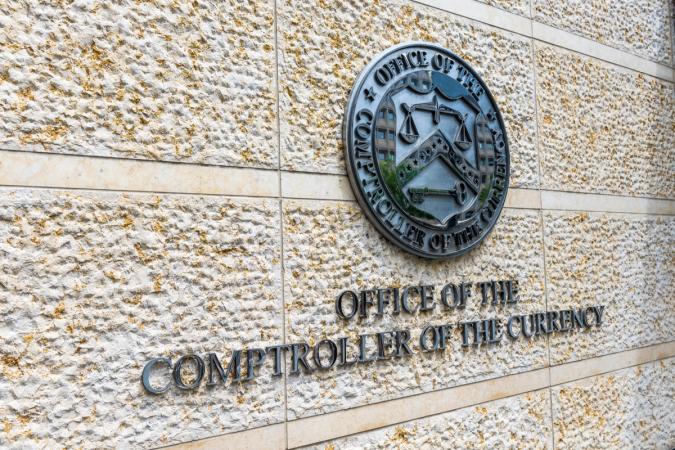
The Office of the Comptroller of the Currency has signaled that community banks should prepare to enter the stablecoin payments space ahead of incoming federal licensing frameworks. This move represents a notable shift in regulatory posture, positioning smaller lenders as potential participants in the digital currency infrastructure rather than passive observers.
The OCC's encouragement comes as the agency develops formal licensing requirements for banks that issue or service stablecoins. Federal regulators have spent the past two years building the rulebook for how banks can offer tokenized dollar products. Community banks, which collectively manage over $8 trillion in assets, represent an untapped market for stablecoin services. These institutions typically lack the compliance resources and technical infrastructure of megabanks but serve critical roles in local lending and payment systems.
The regulatory framework matters because it clarifies liability and compliance obligations. Banks issuing stablecoins must maintain full reserve backing, undergo stress testing, and report to regulators. The OCC has pushed for these standards specifically to prevent the collapse scenario that unfolded with FTX and other failed crypto platforms. Under the new rules, customer funds backing stablecoins receive explicit legal protection and segregation requirements.
Community banks face distinct advantages and obstacles. They operate close to their customer bases and can leverage existing relationships to distribute dollar-backed tokens. However, many lack in-house blockchain expertise and face higher per-transaction compliance costs than larger competitors. The OCC's push suggests federal regulators believe these challenges are surmountable, particularly if smaller banks partner with fintech providers or form consortiums to share infrastructure costs.
The timing aligns with broader financial system changes. Digital payment volumes continue accelerating as younger demographics shift toward non-cash transactions. Stablecoins offer banks a way to compete with fintech platforms and payment networks that increasingly disintermediate traditional banking. A community bank offering instant settlement stablecoins gains leverage against payment processors that currently extract fees for clearing transactions.
Several states have already issued special-purpose charter licenses to fintech firms seeking to offer stablecoin services, but the OCC's federal framework provides nationwide reciprocity. Banks chartered under the national banking system and holding OCC approval can operate across state lines without separate regulatory approval in each jurisdiction. This creates operational efficiency that state-chartered alternatives cannot match.
The stablecoin opportunity also intersects with the Federal Reserve's ongoing research into a potential central bank digital currency. If the Fed eventually issues a CBDC, the OCC framework positions traditional banks as distribution partners rather than relegating them to sideline status. Community banks holding early stablecoin experience will have installed the operational and compliance infrastructure needed to support CBDC distribution at scale.
Challenges remain substantial. Regulatory clarity on stablecoin collateral composition, cybersecurity standards, and redemption mechanics continues evolving. Community banks must also contend with the reputational risk that crypto association carries for traditional institutions. Some deposit customers view digital assets skeptically, and the marketing narrative requires careful calibration.
The OCC's call represents a deliberate effort to integrate traditional banking deeper into digital payment infrastructure rather than allowing purely private stablecoin models to dominate. By encouraging community bank participation, regulators expand the constituency supporting federal frameworks while distributing stablecoin services through institutions with established trust relationships and deposit insurance backing.