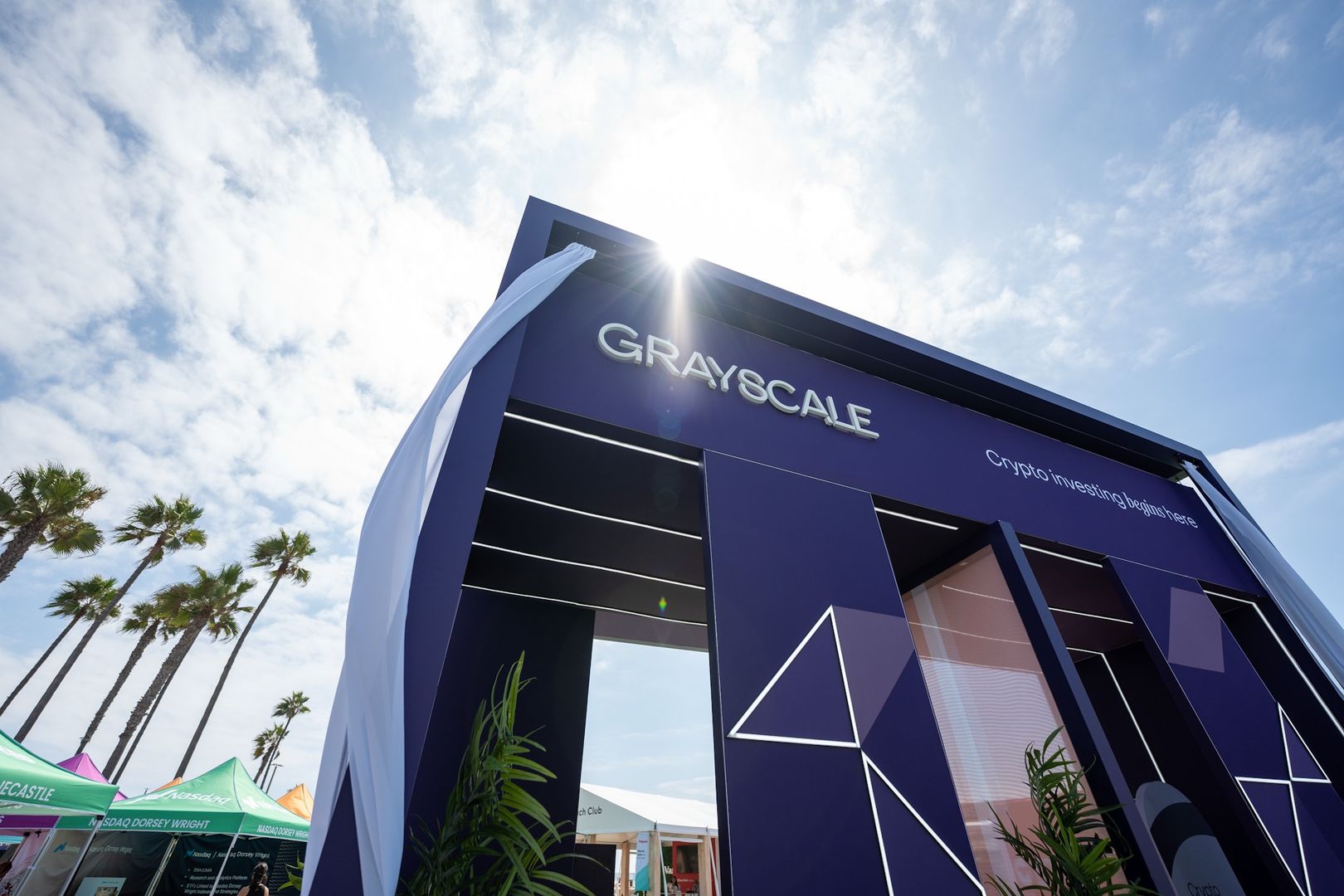
Grayscale, one of crypto's largest asset managers, shelved plans to launch exchange-traded funds for Cardano, Polkadot, and Hedera. The company disclosed the decision without fanfare, confirming that none of the three offerings ever became effective and no securities were issued or sold.
The move reflects shifting priorities within Grayscale's product strategy. The firm has been consolidating its ETF lineup and focusing resources on higher-conviction assets. Bitcoin and Ethereum remain the cornerstone of its offerings, particularly following its successful conversion of the Grayscale Bitcoin Mini Trust and Bitcoin Trust into spot ETFs earlier this year.
Cardano, Polkadot, and Hedera represent layer-one blockchain platforms with meaningful but contested market positions. Cardano trails Ethereum in developer activity and adoption despite sustained development efforts. Polkadot's interoperability thesis has faced implementation challenges and competition from other cross-chain solutions. Hedera, a distributed ledger with governance backing, occupies a niche position in the infrastructure layer.
The decision carries implications for these three projects. Grayscale's products historically provided institutional exposure channels that legitimized assets within traditional finance frameworks. Loss of that pathway narrows options for institutions seeking regulated exposure. This comes as other asset managers have launched competing crypto products, fragmenting the market.
The broader context involves regulatory uncertainty and shifting institutional appetite. ETF approvals face scrutiny from the SEC, which has granted limited spot approvals while remaining cautious on altcoin derivatives. Grayscale's decision to deprioritize these three may signal internal assessments about regulatory feasibility or insufficient institutional demand.
Grayscale has not disclosed whether these shelved offerings might resurrect under different circumstances. The company continues managing billions in assets across its existing digital asset vehicles, maintaining its position as a leading institutional gateway into crypto markets despite