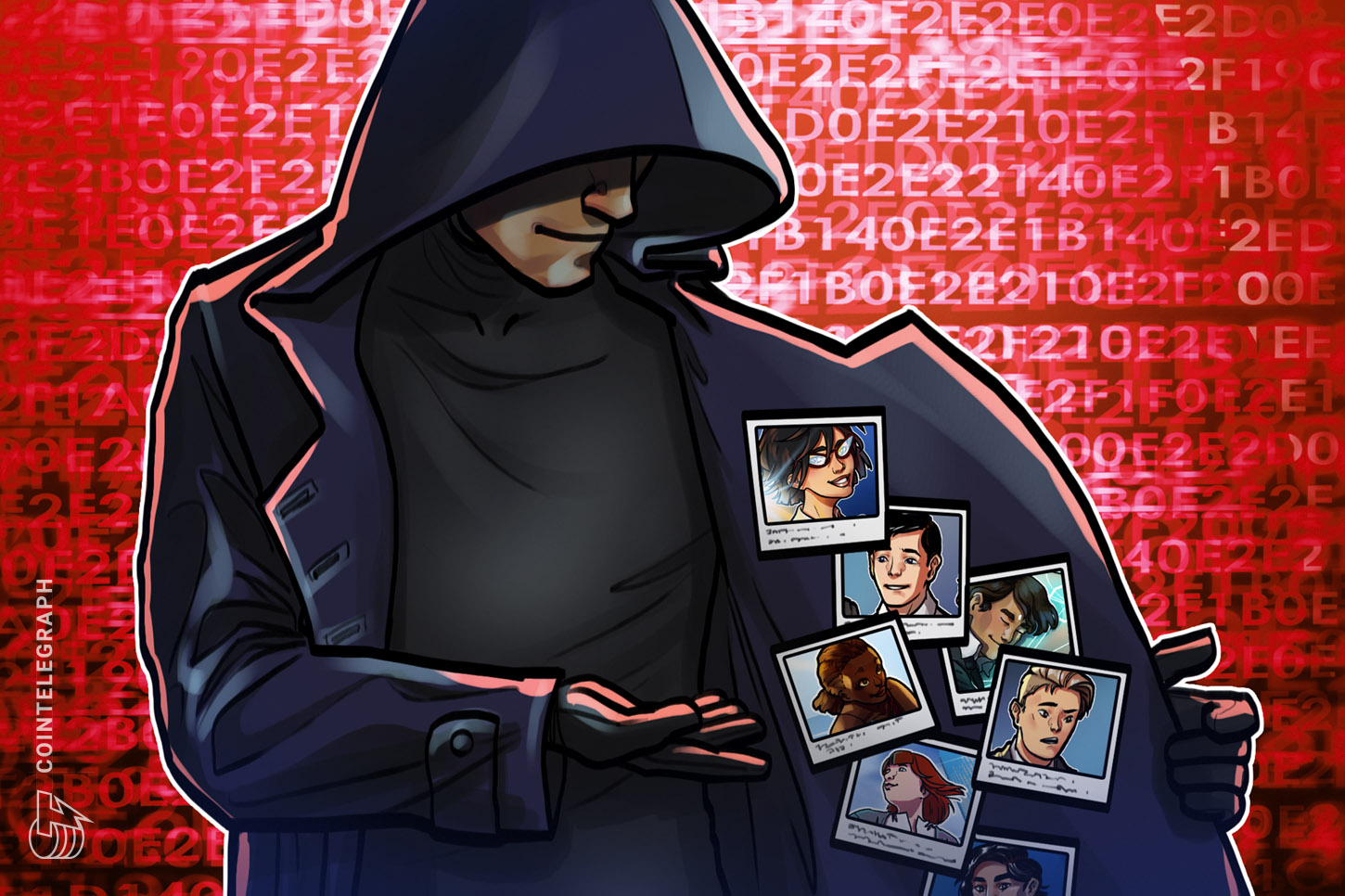
Trezor disclosed a data breach affecting approximately 14,000 users, with personal information exposed through a third-party shipping provider rather than Trezor's direct systems. The hardware wallet manufacturer confirmed that names, email addresses, and shipping addresses were compromised, creating vectors for targeted phishing campaigns.
The breach does not extend to the core security infrastructure that protects user assets. Trezor emphasized that all hardware devices, private keys, and backup recovery seeds remain secure. The exposure stems from the logistics chain, not from weaknesses in the wallet's cryptographic architecture or internal databases. This distinction matters because it limits the immediate threat to financial loss while elevating the risk of social engineering attacks.
The compromised data came from a single shipping vendor, not multiple sources. Trezor has contacted affected users directly and advised them to remain vigilant against phishing emails that might reference their purchase history or device shipment. Attackers armed with names, addresses, and email addresses can craft convincing messages that impersonate Trezor support or delivery notifications, potentially tricking users into revealing seed phrases or clicking malicious links.
This incident reflects a broader vulnerability in hardware wallet distribution. Even though the devices themselves employ military-grade security, the human and logistical layers surrounding them present attack surfaces. Attackers cannot crack Trezor's firmware or extract keys from properly secured devices, but they can exploit users before the devices arrive or immediately after through social manipulation.
Trezor advised users to treat any unsolicited communications about their wallet with suspicion, verify sender addresses carefully, and never share recovery seed phrases or private keys in response to emails. The company also recommended that users enable two-factor authentication on accounts associated with their Trezor purchases.
The incident underscores a painful reality in the hardware wallet market: security extends beyond the device itself. Supply chain integrity, employee vetting at logistics partners, and data retention policies at third parties all factor into real-world risk. Trezor cannot directly control shipping vendors' security practices, though it can audit and select partners more carefully.
For users, this represents a contained but irritating incident. The actual cryptocurrency holdings remain untouched. However, the leaked data creates a persistent threat surface. Email addresses and physical addresses linked to Trezor purchases become permanent targets for phishing campaigns, scams, and potentially in-person social engineering attacks.
Trezor's transparency about the breach and its scope demonstrates responsible disclosure, though it also highlights why hardware wallets require defensive user behavior. Owning a Trezor is not passive security. Users must remain skeptical of communications, protect their seed phrases with extreme prejudice, and recognize that attackers will use legitimate-seeming messages to compromise access.
The company has notified affected users and is coordinating with the shipping provider on remediation. No evidence suggests that cryptocurrency was stolen or that private keys were compromised. The breach demonstrates that even in the security-focused hardware wallet space, operational layers outside the device itself require constant attention and improvement.