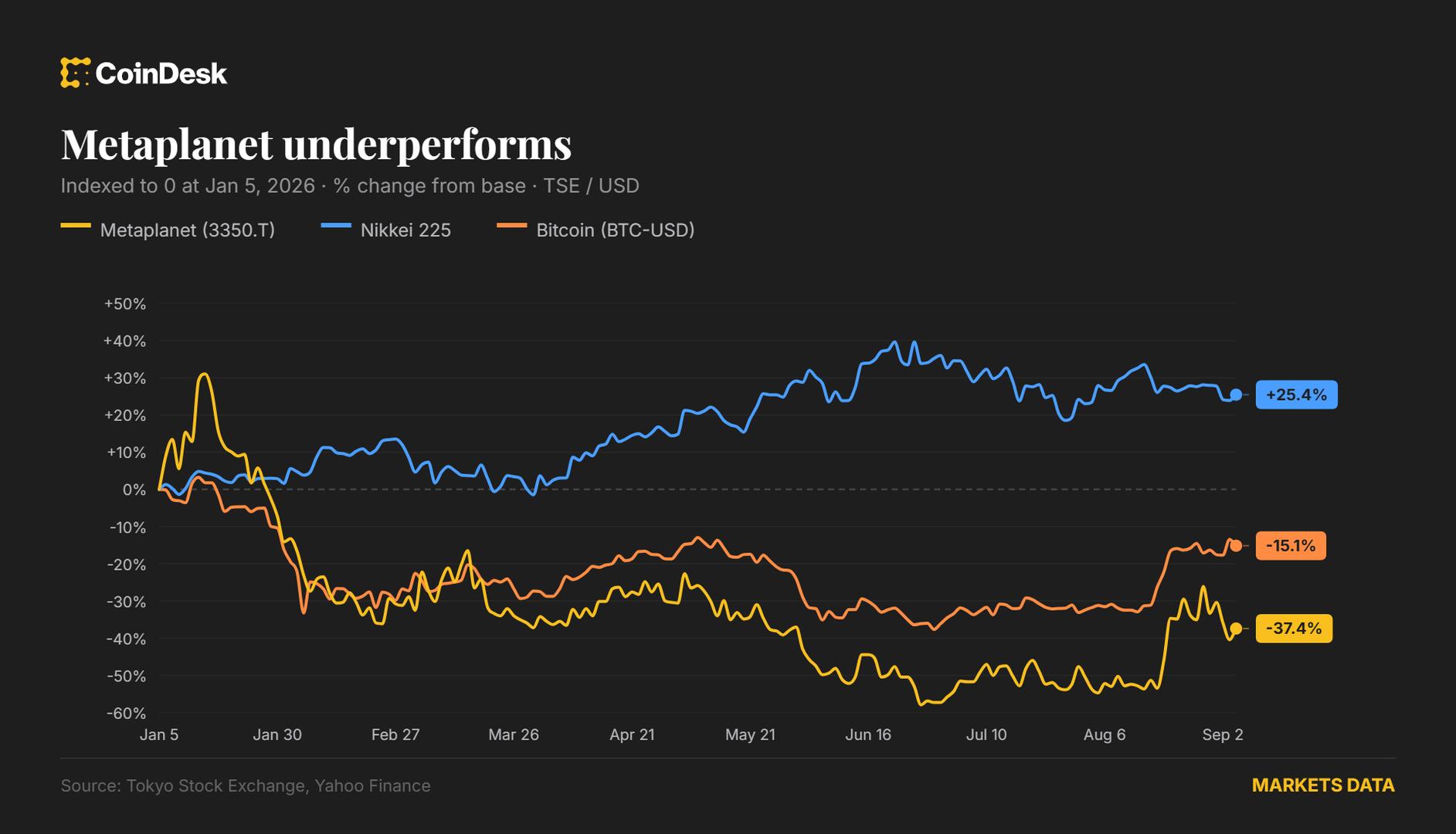
Metaplanet's CEO Simon Gerovich addressed mounting shareholder pressure this week, yet critics contend the company deflected core questions about its controversial venture capital arm and trading practices.
The Tokyo-listed microcap firm has faced intense scrutiny over MMXX Ventures, an investment entity created to manage Bitcoin holdings and execute trading strategies. Shareholders demanded clarity on governance structures, decision-making authority, and financial controls governing the vehicle. Gerovich's statement denied direct involvement in MMXX's trading operations, framing the relationship as arms-length.
This defense rings hollow to dissenting shareholders. The concern centers on potential conflicts of interest and opacity in how capital deploys across Metaplanet's ecosystem. MMXX Ventures ostensibly operates independently, yet Metaplanet controls the purse strings and nominates decision-makers. Without transparent reporting and clear accountability chains, investors remain uncertain whether management prioritizes shareholder returns or internal ventures.
Metaplanet positioned itself as a Bitcoin-native treasury company following Microstrategy's model. The firm accumulated Bitcoin holdings and marketed itself to institutional investors as a levered play on the asset class. The addition of MMXX Ventures injected complexity that obscured this strategy. Instead of straightforward Bitcoin accumulation, Metaplanet now operates as both a treasury and an active trading desk. That dual role creates tension between buy-and-hold cryptocurrency principles and active management fees typical of hedge funds.
The specifics matter. Shareholders want to know: Who decides when MMXX executes trades. What performance benchmarks apply. How fees flow between entities. Whether Gerovich or his inner circle profit from MMXX's decisions outside shareholder visibility. Gerovich's statement acknowledges MMXX exists but provides none of these specifics.
The timing compounds frustration. Bitcoin has surged since Metaplanet's founding, yet the stock has underperformed the asset it claims to hold. Investors question whether MMXX's activities explain the gap. If management executes poor trading decisions, shareholders absorb losses. If MMXX generates profits, the distribution mechanism remains opaque.
Metaplanet operates in Japan's unique regulatory environment where microcap stocks face different disclosure requirements than global peers. This creates room for ambiguity that wouldn't survive scrutiny from the SEC or FCA. Japanese shareholders lack the aggressive disclosure culture present in Western markets, yet institutional money increasingly demands clarity regardless of jurisdiction.
The company faces a choice. Full transparency on MMXX's structure, decision-making, fees, and performance builds credibility and potentially justifies a premium valuation. Continued opacity invites regulatory attention, proxy contests, and capital flight. Gerovich's half-measures satisfy neither camp. Long holders want proof that management competently manages their Bitcoin. Skeptics want evidence of wrongdoing to support activist positions.
Shareholder pressure will intensify if Bitcoin remains volatile. Any material divergence between Metaplanet's Bitcoin holdings and stock performance reignites questions about MMXX's impact. The CEO's silence on specifics suggests either unresolved internal conflicts over the structure or reluctance to disclose unflattering details. Neither option reassures investors holding an already illiquid microcap position.
Metaplanet must provide detailed documentation of MMXX's governance, decision rights, fee structure, and trading results. Anything less leaves shareholders guessing at whether management serves their interests.