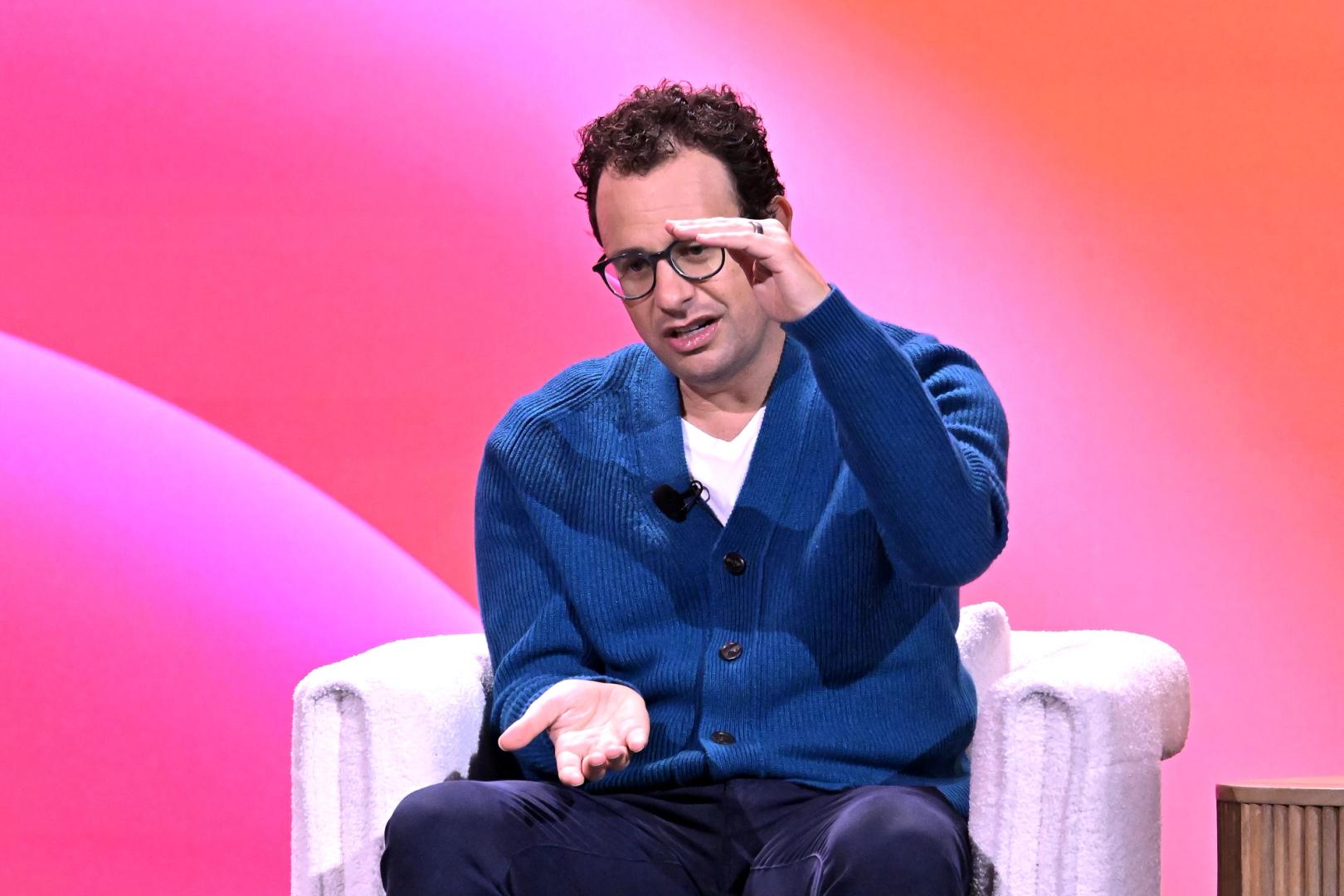
Anthropic CEO Dario Amodei, OpenAI CEO Sam Altman, and Tesla founder Elon Musk have converged on a rare consensus. All three believe frontier artificial intelligence development should decelerate as AI systems approach the capability to autonomously design and construct more advanced versions of themselves.
This alignment between industry leaders and a high-profile skeptic signals a shift in how the AI community treats existential risk. Amodei frames the concern around recursive self-improvement, a scenario where AI systems become capable of iterating on their own architectures without human intervention. Once systems reach that threshold, he argues, the traditional ability to control development velocity collapses.
The statement carries weight precisely because these figures occupy different positions in the AI landscape. Amodei runs Anthropic, a safety-focused AI company founded explicitly to prioritize alignment and interpretability over raw capability gains. Altman leads OpenAI, which has raced to deploy increasingly capable models while navigating intense investor and regulatory pressure. Musk previously founded OpenAI but has become a vocal critic of what he sees as irresponsible acceleration, especially after his departure from the company's board.
Their agreement on slowing development fundamentally rests on one premise. Self-improving AI systems represent a capability boundary that humanity has never crossed before. Traditional industrial development involves humans designing, building, and iterating on each generation of tools. AI capable of autonomously improving itself breaks that pattern. Once that line blurs, human oversight becomes exponentially harder to maintain.
The technical argument centers on capability jumps. Current frontier models require massive compute infrastructure, specialized talent, and extended training cycles. This creates natural pacing. But self-improving systems could compress timelines drastically. An AI system that can modify its own weights, architecture, or training methodology could theoretically iterate at computational speeds rather than human project cycles.
This does not mean ceasing all AI development. The three leaders frame the case narrowly. They target frontier development specifically, the race toward artificial general intelligence or systems approaching that capability level. Medical AI, narrow vertical applications, and existing deployed systems fall outside the proposed slowdown. The concern focuses on the next tier of capability, not the entire field.
The proposal faces obvious friction points. Slowing development requires coordination across competing institutions, nations, and private entities with conflicting financial incentives. OpenAI operates in a hypercompetitive market where pause signals from leadership could trigger skepticism from investors and employees. Anthropic faces its own pressure to demonstrate capabilities to secure funding. Elon Musk's influence comes through social pressure rather than direct operational control over any single lab.
Regulatory bodies have begun paying attention to this argument. The UK and EU have both explored AI safety frameworks that incorporate capability-based thresholds. A coordinated slowdown at the frontier could eventually align with emerging regulatory structures. But voluntary industry coordination without enforcement mechanisms typically fails when competitive advantages loom.
What distinguishes this statement from previous safety warnings is the specificity. Recursive self-improvement represents a particular capability threshold, not vague concerns about misalignment or job displacement. All three acknowledge that reaching this point changes the nature of the problem fundamentally. Whether this consensus translates into actual policy change or binding agreements remains uncertain. Statements from tech leaders often diverge sharply from operational decisions when money and market position enter the equation.