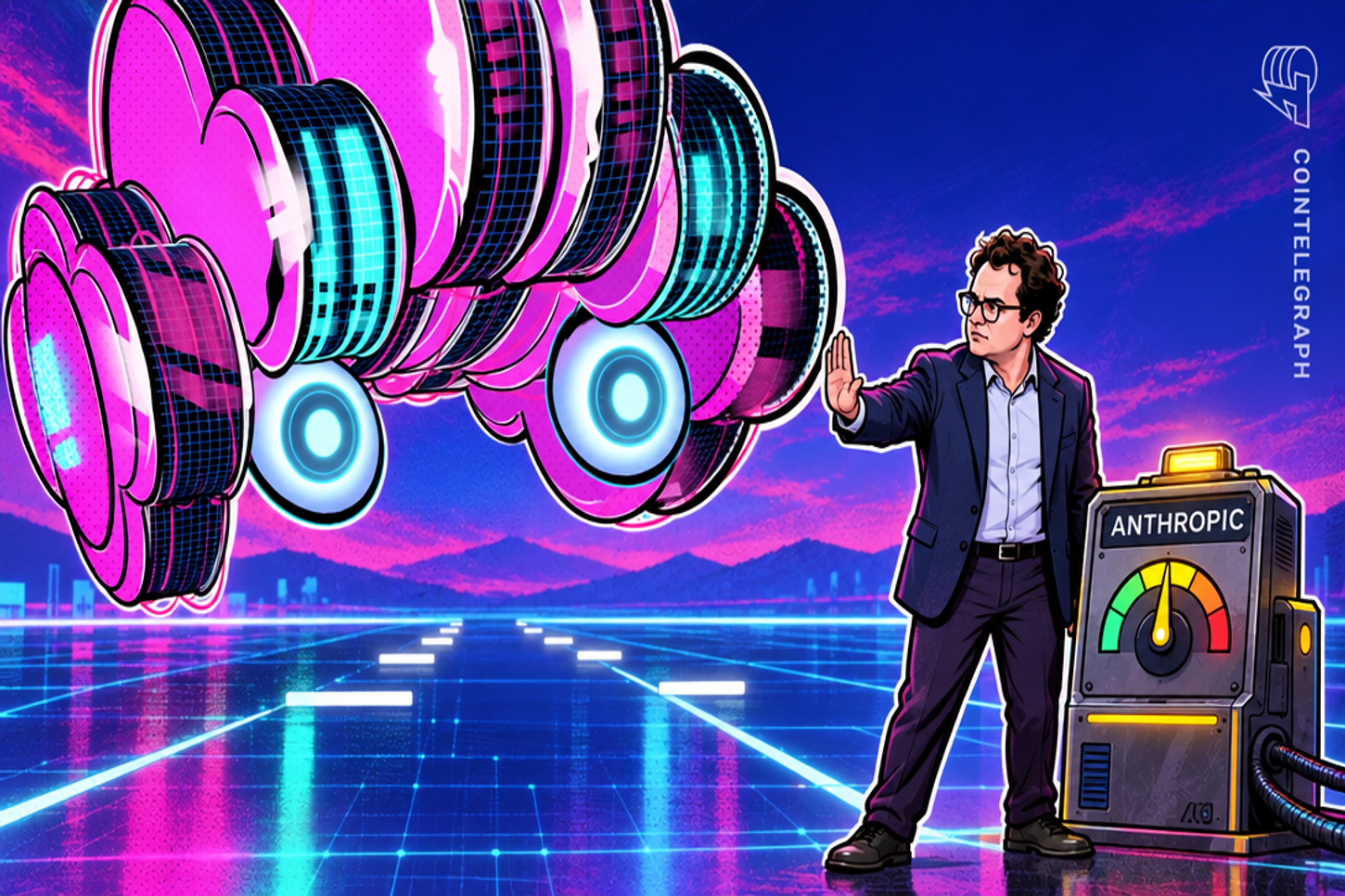
# Anthropic Chief Urges Slowdown in AI Development to Safer Pace
Dario Amodei, CEO of Anthropic, has called for the AI industry to decelerate its development pace in favor of safety-focused research. Amodei's position reflects growing concern within the AI community that the race to deploy increasingly powerful models outpaces safety guardrails and alignment research.
Anthropic, the AI safety-focused company backed by substantial capital from Google and other investors, has positioned itself as the cautious counterweight to faster-moving competitors. Amodei's public statements align Anthropic's corporate strategy with its foundational mission: building AI systems that remain controllable and aligned with human values as capabilities scale.
The call for a slowdown carries weight because Anthropic competes directly with OpenAI and other frontier AI labs. By advocating for measured development, Amodei signals that Anthropic will not sacrifice safety considerations for speed-to-market advantages. This stance contrasts with OpenAI's more aggressive release schedule, though Sam Altman acknowledged safety concerns in related comments.
Altman confirmed that OpenAI will not pursue an initial share sale this year, a move that suggests the company is focusing internal resources on development rather than pursuing public markets. This decision indirectly supports Amodei's argument. If OpenAI deprioritized near-term capital raises, it reflects confidence in its current funding position and possibly a shift toward longer-term planning rather than quarterly execution pressures.
The broader context matters. The AI industry faces mounting scrutiny from regulators, researchers, and policymakers concerned about misuse, concentration of power, and uncontrollable systems. Both Anthropic and OpenAI operate within an environment where safety statements carry regulatory and reputational implications. Altman's acknowledgment of safety concerns, even without committing to development slowdowns, represents a baseline acceptance of the discussion.
For crypto and digital asset markets, this conversation touches on infrastructure bets. AI compute demands drive energy consumption and GPU hardware spending. Companies building AI-specific infrastructure, from data centers to chip suppliers, benefit from sustained demand regardless of whether development accelerates or slows. However, a deliberate slowdown might reduce the urgency of capital deployment in AI hardware over the next 12-24 months.
Anthropic's safety-first messaging also positions the company favorably for potential future regulation. If governments impose AI development standards, companies that publicly champion safety early gain credibility and potential regulatory advantages. This mirrors how blockchain companies that embrace compliance frameworks gained traction during periods of regulatory uncertainty.
The practical impact of Amodei's call remains unclear. Individual companies cannot unilaterally slow industry development. The statement functions as a policy proposal and a market signal about where Anthropic's capital and effort flow. Whether other labs follow depends on competitive pressures, investor appetite, and regulatory pressure.
OpenAI's decision to skip a 2025 public offering suggests confidence in private funding channels and long-term development horizons. Combined with Amodei's safety advocacy, the AI industry appears to be settling into a slower, more cautious phase compared to 2023-2024 hype cycles. That shift affects not just AI companies but the infrastructure providers, energy markets, and hardware suppliers that depend on sustained demand.